Eleven member states, and one council in London.
ASEAN is collectively equivalent to the fifth-largest economy in the world, with projections indicating that ASEAN will become the fourth-largest economy by 2030. This progress is powered by strong GDP growth, an expanding middle class, rapid adoption of cutting-edge technology, and a population set to reach 800 million by 2045.
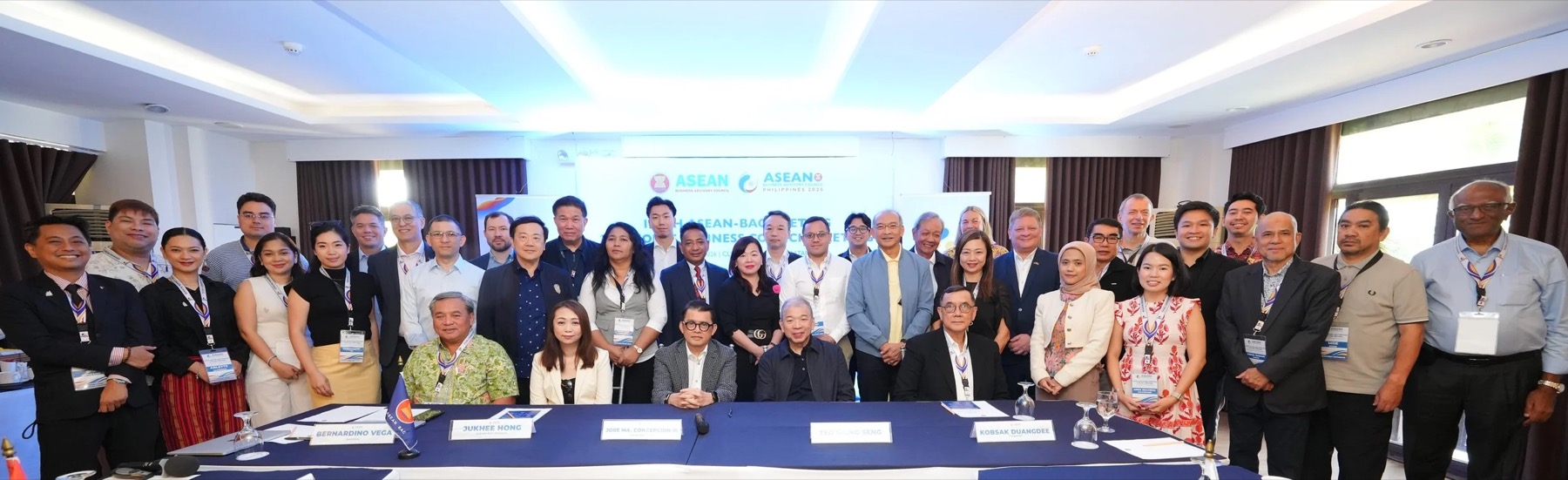
What ASEAN is
Their own account, on their own ASEAN page. The founding date belongs to ASEAN rather than to the council.
In July 2025, the total combined Gross Domestic Product (GDP) of the ten ASEAN Member States at that time was in excess of £3.8 trillion, making ASEAN, even before Timor-Leste joined in 2026, equivalent to the fifth largest economy in the world.
ukabc.org.uk/market/aseanThe Association of South East Asian Nations (ASEAN) was founded in 1967. ASEAN’s founding members agreed on the Treaty of Amity and Cooperation in 1976. ASEAN now brings together eleven Member States: Brunei Darussalam, Cambodia, Indonesia, Lao PDR, Malaysia, Myanmar, the Philippines, Singapore, Thailand, Timor-Leste, and Vietnam. The ASEAN Community has three pillars covering Political-Security, Economic, and Socio-Cultural issues.
The UK has Embassies or High Commissions in all eleven ASEAN Member States.
Underpinning this economic growth, ASEAN’s digital economy is on track to exceed $2 trillion by 2030, driven by its youthful, increasingly skilled, and digitally-savvy population and the implementation of the ASEAN Digital Economy Framework Agreement. As global geopolitical shifts realign supply chains, ASEAN has also emerged as a strategic and neutral hub for global trade.
The markets
The eleven member states, in the order the Markets menu lists them, each with the opening line of their own country page. Their Myanmar page publishes no overview, only links to the Department for Business and Trade, so no line is shown against it.
- 01Brunei DarussalamAn oil and gas-rich sultanate of approximately 445,000 people, located on the northeast coast of Borneo. As a Commonwealth country, Brunei has close links with the UK.
- 02CambodiaOne of the fastest-growing economies in Southeast Asia, with an average of 7% GDP growth in the first two decades of this century. UK-Cambodian bilateral trade is circa £800 million.
- 03IndonesiaA group of islands located near Malaysia, Singapore, the Philippines and Australia, with a population of over 270 million and an emerging middle class driving economic growth.
- 04Lao PDRLaos shares borders with China, Vietnam and Thailand, and plays a key role in cross-border trade in Southeast Asia, with growth in mining, agriculture and hydropower.
- 05MalaysiaDecades of growth and stability have helped make Malaysia an industrialised, relatively open economy. English is the business language and Malaysia is a member of the CPTPP.
- 06Myanmar
- 07SingaporeA small but wealthy city-state with an open and trade-driven economy, and a leading financial, shipping and trade hub for the Asia Pacific region.
- 08ThailandThe second-largest economy in Southeast Asia, with a large, urban, middle-class consumer base. The UK and Thailand set up a Joint Economic and Trade Committee in 2021.
- 09The PhilippinesAn archipelago composed of about 7,640 islands and a population of 109 million people, with UK businesses well established in telecoms and financial services.
- 10Timor-LesteA young Southeast Asian nation on the eastern half of the island of Timor, with a population of approximately 1.3 million and emerging opportunities in agriculture, energy and infrastructure.
- 11VietnamOne of the fastest-growing economies in the world, a market of 100 million consumers with 15 signed free trade agreements, including the UK-Viet Nam agreement in force since January 2021.
The UK and ASEAN, by date
The partnership as their own ASEAN page records it, from accession to the Treaty of Amity and Cooperation to the first annual Post Ministerial Council.
What the council circulates
The library on their publications page, with the author of each named. Most are written by a partner firm, the ASEAN Secretariat or a UK government body and circulated by the council.
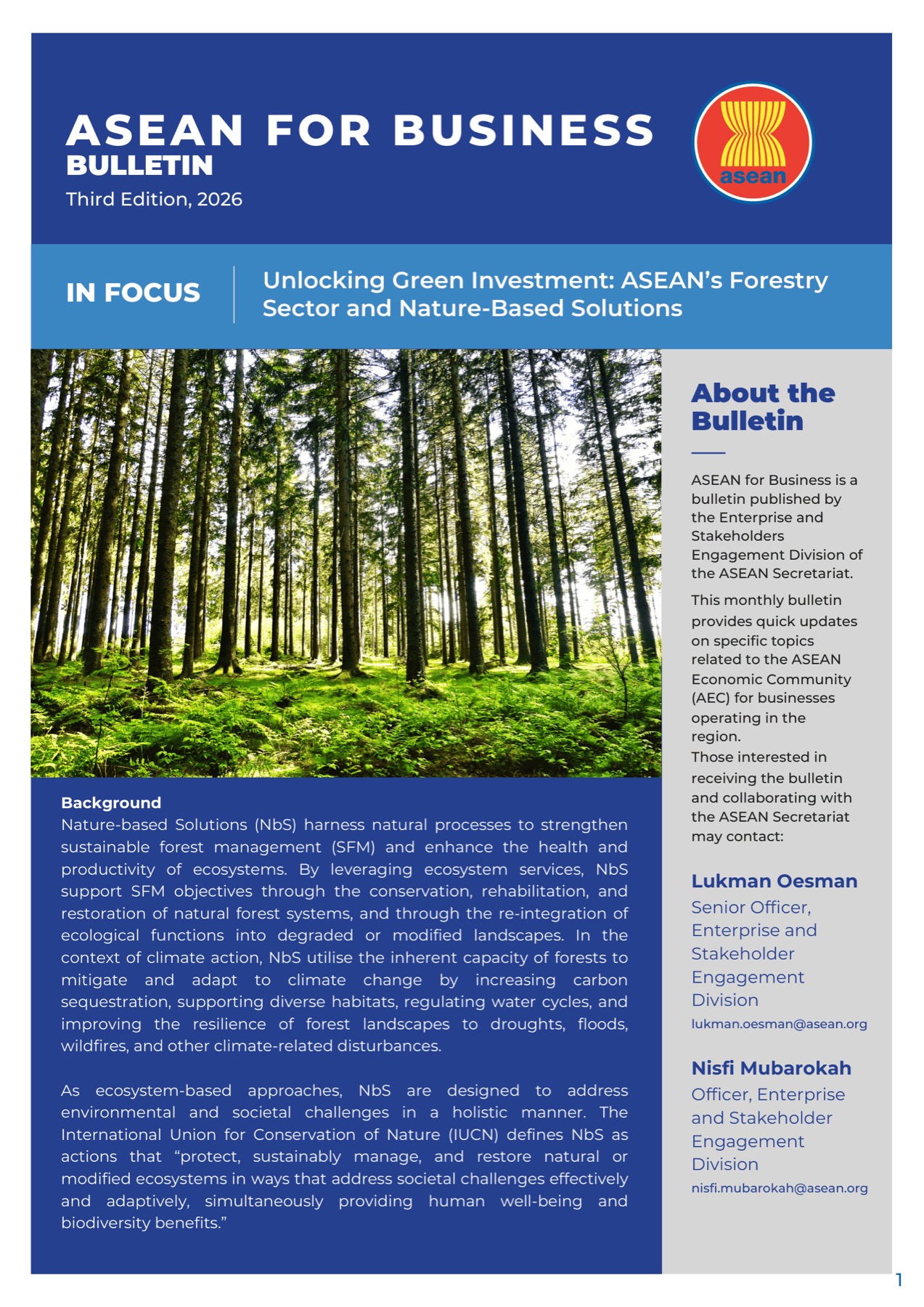 ASEAN for Business Bulletin, Third Edition 2026
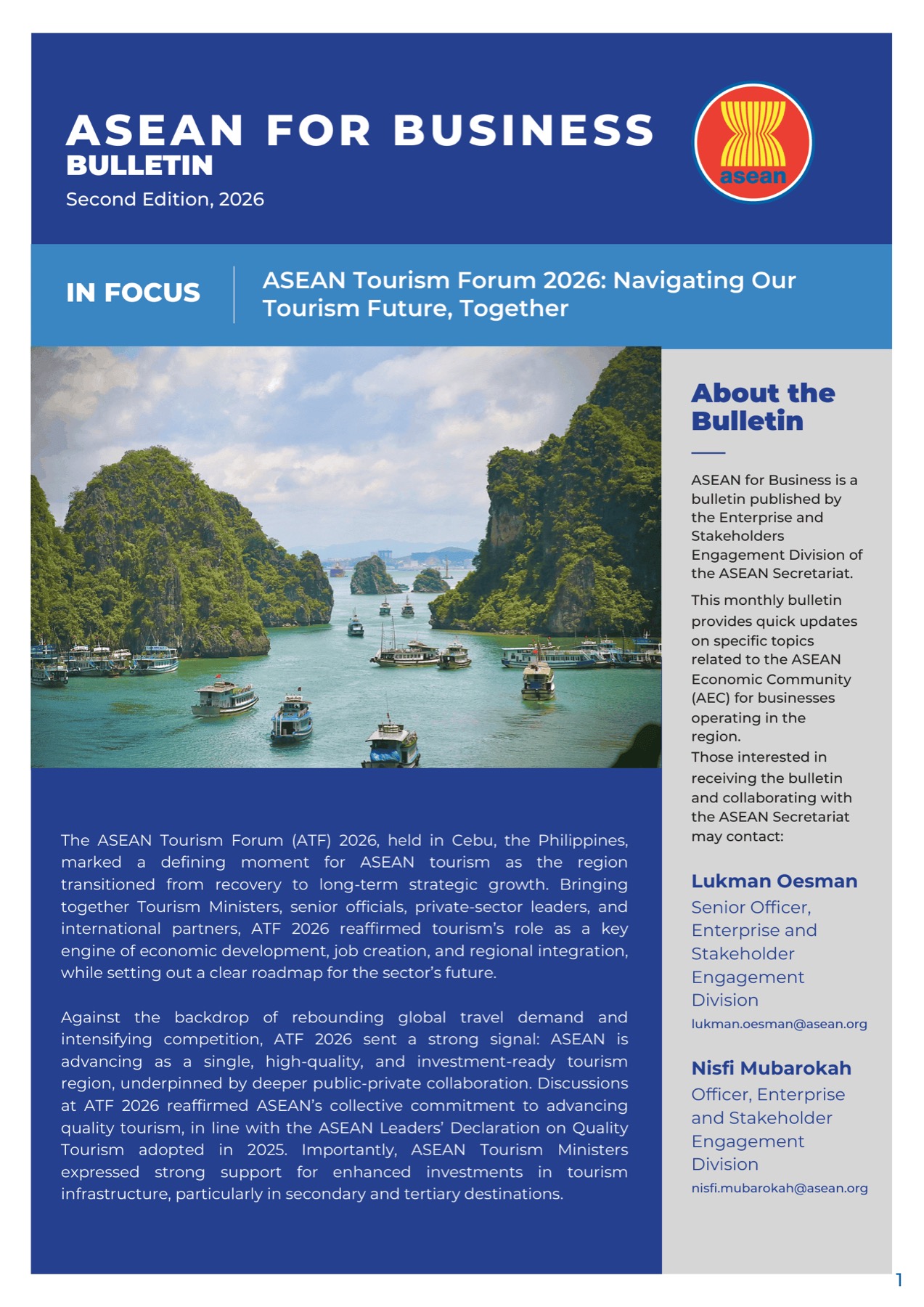 ASEAN for Business Bulletin, Second Edition 2026
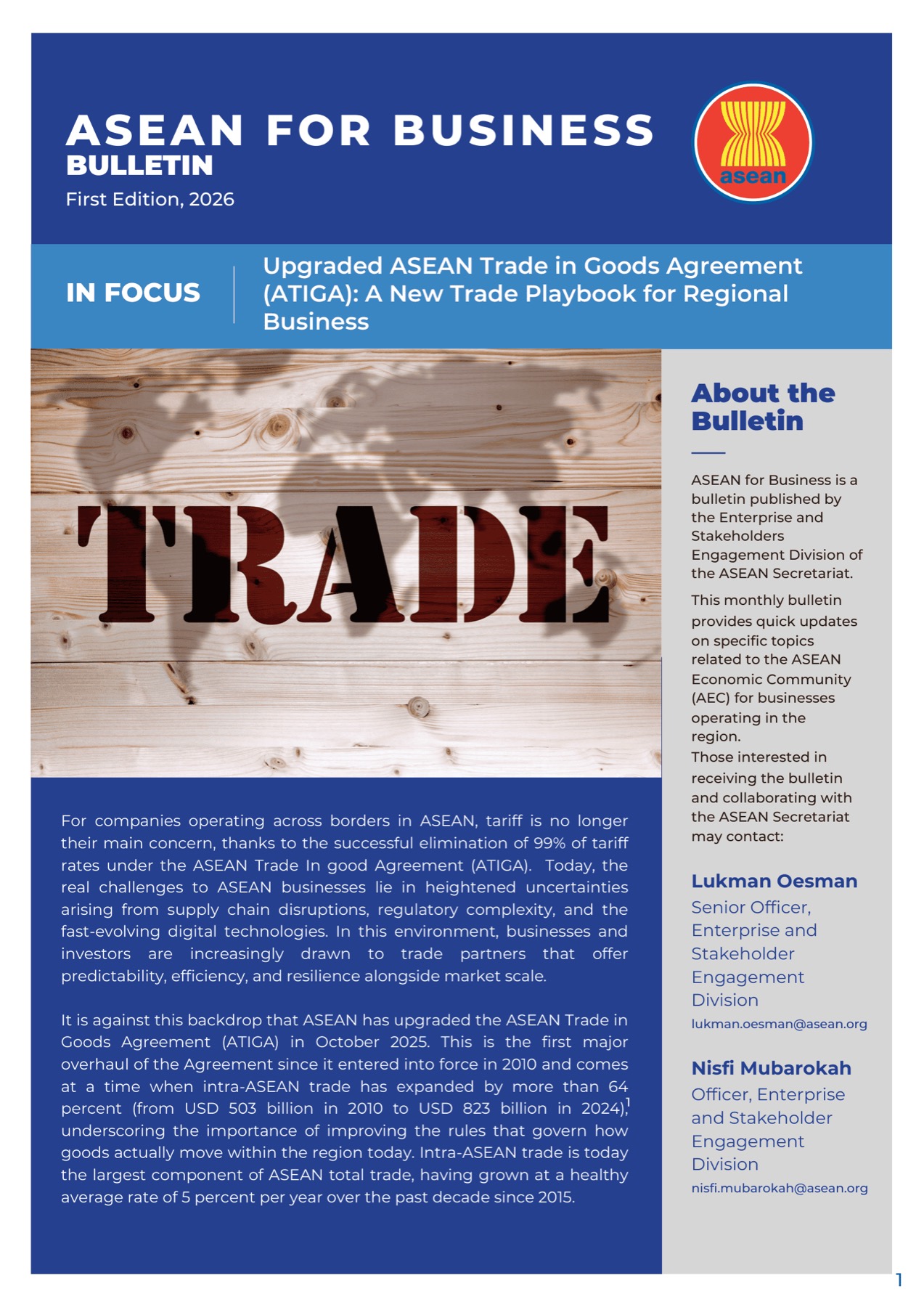 ASEAN for Business Bulletin, First Edition 2026
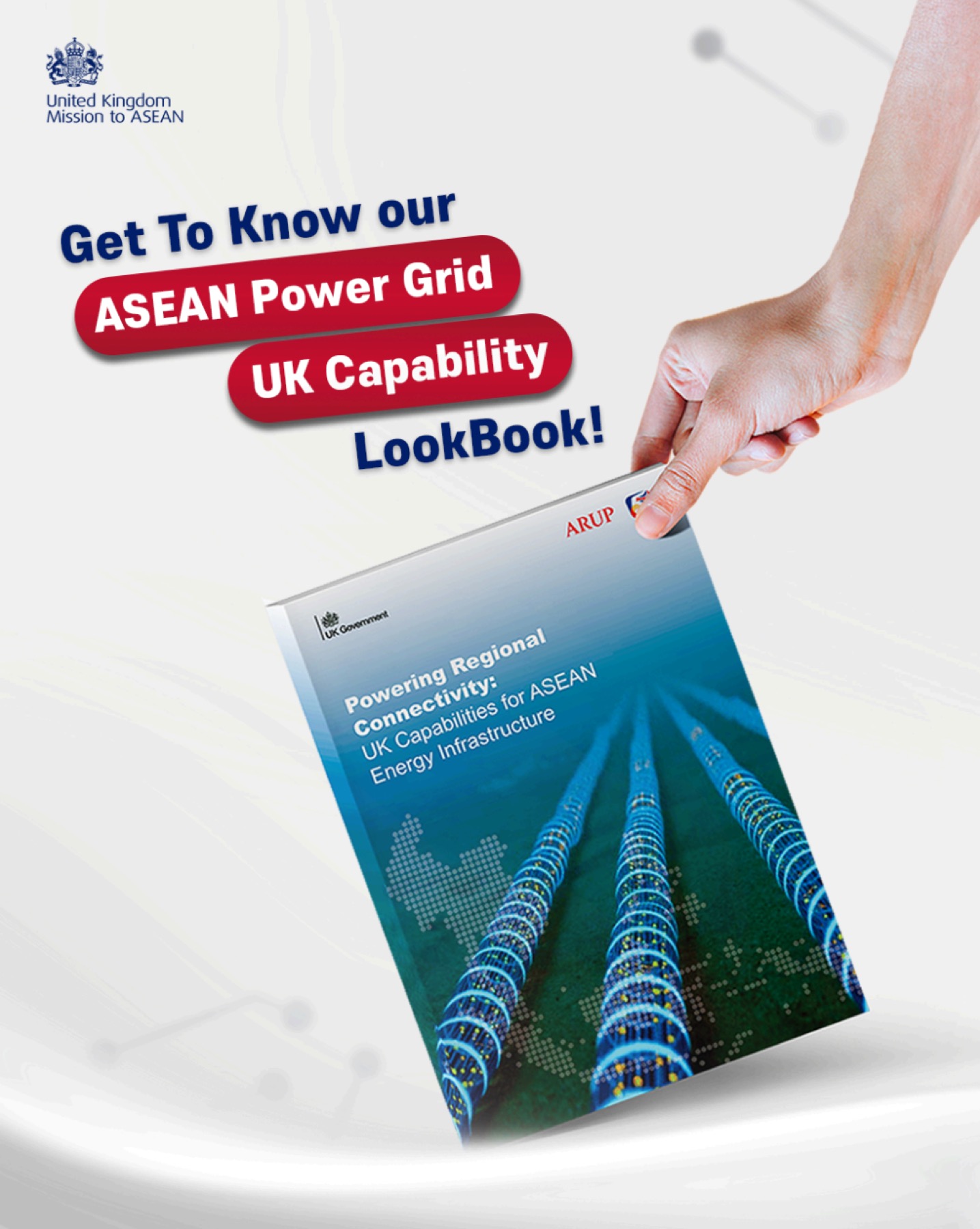 Powering Regional Connectivity, UK Mission to ASEAN
Export support
The council keeps a route to the Department for Business and Trade on its own site: the Export Academy’s Essentials sessions and Masterclasses, the department’s market guides, and its export support team. That page links out to the department rather than duplicating it.
ASEAN has emerged as a strategic and neutral hub for global trade.
The UK-ASEAN Business Council is perfectly positioned to be your partner as you seek to take advantage of this growing ASEAN opportunity.